
"Guatemala volcanic soils"
400 article(s) found
Brief introduction of coffee from eight major producing areas in Guatemala: Vera Coffee the producing area of Guatemalan Coffee
5. The Waiqiang Plateau (FraijanesPlateau): this area is of volcanic soil, with high altitude, sufficient rainfall and great humidity variation. Ash from Pacaya, Guatemala's most active volcano, provides important minerals for the soil in the region. There is plenty of sunshine in the dry season, and although the clouds and dew are heavy in the morning, they dissipate quickly. As a result, 100% of the coffee in the area is added to the sun.

Characteristics of high-quality coffee beans in eight producing areas of Guatemala
Guatemala is a famous producer of high-quality Arabica coffee in Central America. Coffee from five volcanic and three non-volcanic producing areas is very unique and enjoys a high reputation in the international market. Mr. EduardoAmbrocio of the Guatemalan Coffee Company introduced Guatemalan coffee to the audience at the SCAA Houston show in April 2010. 1. Alcatraguo Valley (AcatenangoValley)
A detailed introduction to the characteristics of coffee from eight major producing areas of Guatemala
Eight major coffee producing areas in Guatemala. Acatenango Valley: the Acatenango Valley is 2000 meters (6500 feet) above sea level, with dense shade and unique ecology. Nearby Fuego volcanoes continue to erupt, making its coarse, sandy soil rich in a variety of minerals. Temperate sea breezes from the Pacific and seasonal

Eight major coffee producing areas in Guatemala introduce the treatment methods of fine coffee.
Eight major coffee producing areas in Guatemala. Acatenango Valley: the Acatenango Valley is 2000 meters (6500 feet) above sea level, with dense shade and unique ecology. Nearby Fuego volcanoes continue to erupt, making its coarse, sandy soil rich in a variety of minerals. Temperate sea breezes from the Pacific and seasons

Introduction of Coffee from eight Major producing areas in Guatemala the origin of Guatemalan coffee is in danger.
Guatemala is a famous producer of high-quality Arabica coffee in Central America. Coffee from five volcanic and three non-volcanic producing areas is very unique and enjoys a high reputation in the international market. Mr. EduardoAmbrocio of the Guatemalan Coffee Company introduced Guatemalan coffee to the audience at the SCAA Houston show in April 2010. 1. Alcatraguo Valley (AcatenangoValley)

Yuyun clear Guatemala boutique coffee bean cultivation geographical location climate altitude brief introduction
1. AcatenangoValley: the AcatenangoValley is 2000 meters (6500 feet) above sea level, with dense shade and unique ecology. Nearby Fuego volcanoes continue to erupt, making its coarse, sandy soil rich in a variety of minerals. The temperate sea breeze from the Pacific and the seasonal climate make coffee available in this producing area.

Which are the eight producing areas of Guatemalan coffee in Guatemala?
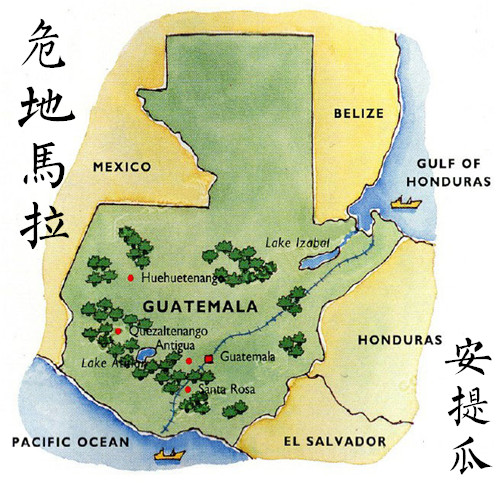
For the exchange of professional baristas, please pay attention to the coffee workshop (Wechat official account cafe_style). The latitude of Guatemala is about 15 degrees, because of the long mountains and great regional climate changes, which have created the eight major coffee producing areas of the country, all located on the highland topography under the subtropical climate, rich and stable rainfall, excellent environment for fertile volcanic ash soil, and the coffee they produce.
Guatemalan Coffee how to taste a single coffee? Guatemalan Coffee Latisha Manor
[guide] the Ekatlago Valley rises to 2000 meters (6500 feet), with dense shade and unique ecology, and the nearby Fuego volcano erupts, making its coarse, sandy soil rich in various minerals. Temperate sea breezes from the Pacific Ocean and seasonal climate have raised the Ekatangol Valley in Guatemala Guatemala to 2000 meters (6500 feet).

Guatemala Antigua Flower Flower Flavor Coffee Flavor description Jane
The Antigua Valley (Antigua Valley) is the oldest and best-known coffee producing area in Guatemala. Volcanoes and extremely shallow groundwater levels form a dry microclimate, characterized by low humidity, adequate sunshine and cool nights. Antigua is a closed valley surrounded by three volcanoes: Agua, Acatenango and

Introduction to boutique coffee manor: a detailed introduction to the characteristics and attributes of coffee in the eight major producing areas of Guatemala
The Guatemala Ekatran Valley in Guatemala is 2000 meters (6500 feet) above sea level, with dense shade and unique ecology. The nearby Fuego volcano erupts, making its coarse, sandy soil rich in a variety of minerals. Temperate sea breezes from the Pacific Ocean and a seasonal climate make coffee in this region dependent on sunlight drying for many years.

Eight coffee producing areas in Guatemala
For more information on coffee beans, please follow the Coffee Workshop (official Wechat account cafe_style) [introduction] the Ekatlum Valley rises to 2000 meters (6500 feet) with dense shade and unique ecology. The eruption of the nearby Fuego volcano has made its coarse, sandy soil rich in various minerals. Temperate sea breezes from the Pacific and distinct seasons

Characteristics of Guatemalan coffee beans in different producing areas Coffee bean flavor in each producing area of Guatemala
For the exchange of professional baristas, please follow the Coffee Workshop (official Wechat account cafe_style). There are seven countries in Central America, namely, Belize, Costa Rica, El Salvador, Guatemala, Honduras, Nicaragua and Panama. All seven countries in Central America produce coffee, among which Guatemala, Costa Rica and Honduras are global coffee exporters.

Full-bodied Guatemala fine coffee beans Flavor Taste Aroma Description
4. Rainforest Cobn Cobn is cloudy, rainy and cool all year round. The vast majority of rainforest Cobain coffee is grown in the region's distinctly undulating, foggy mountains, heavily influenced by limestone and clay from the Atlantic Basin. Cobain has two seasons: rainy and rainy. Rainforest Cobn cup profile Distinct fresh fruit flavor, balanced

Introduction to the Cup Review of Antigua Coffee
Following Cafe Review (official Wechat account vdailycom) found that Antigua Coffee has opened a small shop in Beautiful Cafe: aroma 7.8; flavor 7.85; acidity 7.95; balance 7.63; overall 7.78; mellow 7.85; finish 7.60 delicate and balanced, with rich aroma and excellent sweetness. Antigua Valley (Antigua Valley) has the longest history in Guatemala.
Washing Pacama produced by Incht Manor, the top manor in the Vivetnam fruit producing area of Guatemala
Incht Manor, located on the Guadamara-Vivette Nanguo Plateau, is a farm with a long history, covering an area of 720 hectares and an elevation of about 1500-2000 meters, in which 470 hectares of natural ecological rain forest surrounds the coffee-growing area; it has been operated by the Aguirre family, which has emigrated here since 1874, and began to plant coffee in 1900.

Guatemala's three non-volcanic coffee producing areas
Waichangsi Plateau Waichangsi Plateau This area is volcanic soil, high altitude, adequate rainfall, humidity changes greatly. Ash from Pacaya, Guatemala's most active volcano, provides important minerals for the region's soils. The dry season sunshine is abundant, although the morning fog, dew is big, but dissipates quickly. As a result, 100 per cent of the coffee in the region is sun processed. [Features
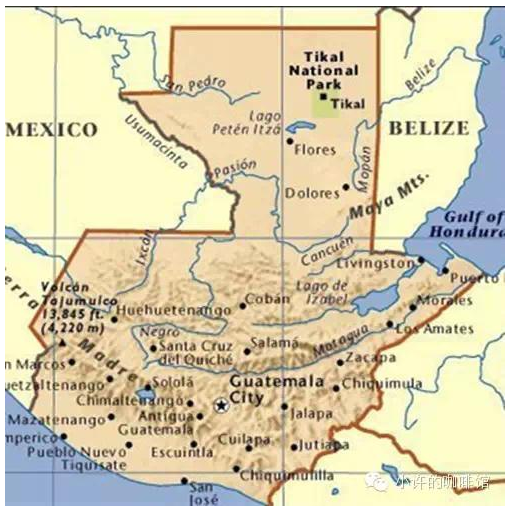
World Coffee Tour (4) Guatemala
Guatemala is a big coffee producer in Central America, ranking eighth in the world in terms of output. Guatemala, whose name comes from the Mayan language, means thelandofmanytrees, the country of the forest. Located in Central America, it is known as the pearl in the crown of China and the United States. Although Guatemala has a limited land area, it has a rich and diverse climate. A country famous for lakes and volcanoes, volcanic soil,

Guatemala coffee beans have superior geographical location and taste characteristics.
Follow the caf é (Wechat official account vdailycom) found that the beautiful cafe opened a small shop of its own, the Vivette Nanguo Heights has warm and humid Caribbean air from the Central Mountains, the cloud is shrouded in clouds, and the climate is changeable; the land is a volcanic area, which cultivates fertile volcanic soil; coupled with the fact that it is located on the edge of plate activity, the severe alpine basin topography is so changeable.

Characteristics of Coffee from Eight Major Producing Areas in Guatemala
Elevated to 2000 meters (6500 feet), it is densely shaded and ecologically unique, with the nearby Fuego volcano erupting intermittently, making its coarse, sandy soil rich in minerals. Temperate sea breezes from the Pacific Ocean and seasonal climates allow this region's coffee to be sun-dried and processed by home-style traditional methods accumulated over the years. [Features] Acidity is obvious, dry
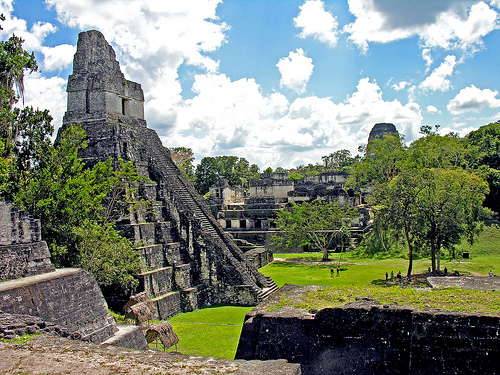
Characteristics and attributes of coffee in eight producing areas of Guatemala
The Ekatra Valley rises to 2000 meters (6500 feet), with dense shade and unique ecology, and the nearby Fuego volcano erupts, making its coarse, sandy soil rich in a variety of minerals. Temperate sea breezes from the Pacific and a seasonal climate allow coffee in this region to be dried by sunlight and processed according to traditional family methods that have been accumulated over the years. [characteristics]